

Malang — Conversations around Indonesian football have long focused on tactics, physical strength, and technical ability. Yet behind the pursuit of professional dreams, one crucial aspect often goes unnoticed: the mental resilience of young players.
For many youth footballers, the journey is far from easy. Weekly training schedules, intense competition for starting positions, pressure from coaches and clubs, and the uncertainty of a professional career all shape a demanding environment. At the same time, these athletes are still navigating adolescence and academic responsibilities.
Recognising this gap, researchers from the Faculty of Sports Science (FIK), Universitas Negeri Malang (UM), conducted a comprehensive study to better understand the psychological condition of young Indonesian footballers. The research, led by Dr. Kurniati Rahayuni, involved 461 players from the Elite Pro Academy (EPA) League across U-16, U-19, and U-20 levels.
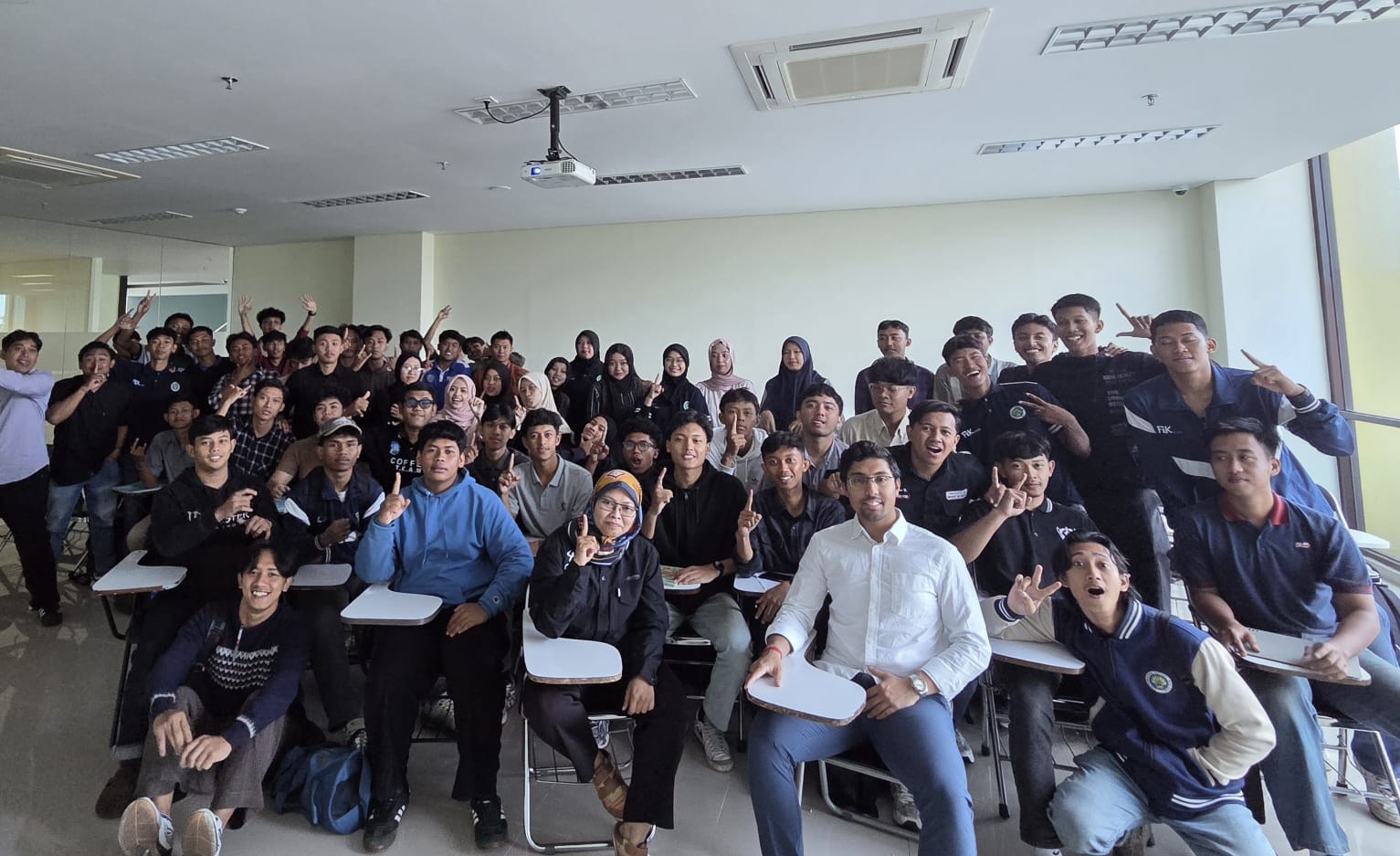
Supported by the LPDP WCU EQUITY scheme, the project also brought in Dr. Sahen Gupta, a sports psychologist and resilience expert from the University of Portsmouth, United Kingdom, as a postdoctoral fellow. In addition to contributing to the research, Dr. Gupta engaged with students through guest lectures, emphasising the importance of mental resilience in sports.
The study examined key aspects such as mental toughness, psychological stress, and resilience. Data were collected directly during league competitions between December 2024 and March 2026 through structured questionnaires.
The findings reveal a clear pattern: players with higher resilience tend to have stronger mental toughness and experience lower levels of psychological stress. In other words, the ability to adapt, recover from setbacks, and stay focused under pressure plays a decisive role in performance.
At the same time, the study uncovered a concerning reality. Around 70 percent of players reported experiencing high psychological pressure, while many struggled to cope effectively with failure and disappointment. In a competitive environment where a single poor performance can cost a player their position, emotional instability can quickly escalate into frustration, loss of confidence, or even aggressive behaviour.
Interestingly, the research also identified differences across regions. Players from academies outside Java showed relatively higher levels of mental toughness compared to some of their counterparts on the island. While further study is needed, this finding suggests that social and environmental factors may play a role in shaping an athlete’s psychological development.
The results highlight an important gap in Indonesia’s football development system. While technical and physical training remain the primary focus, psychological preparation is often treated as secondary. In contrast, many elite academies around the world have already integrated sports psychologists into their systems to help athletes manage stress, build confidence, and maintain focus.
The study underscores that talent alone is not enough. Long-term success in football depends not only on skill and physical ability, but also on the capacity to remain resilient in the face of pressure and uncertainty.
Through this research, Universitas Negeri Malang aims to contribute to a more holistic approach to athlete development—one that recognises mental resilience as a key foundation for both performance and well-being.
This initiative also supports the Sustainable Development Goals (SDGs), particularly SDG 3 (Good Health and Well-Being), SDG 4 (Quality Education), and SDG 17 (Partnerships for the Goals), by promoting athlete well-being, supporting student-athlete development, and strengthening international research collaboration.
Source: Radar Malang (Jawa Pos Group)
https://radarmalang.jawapos.com/pendidikan/2605310012/pahami-mental-pesepak-bola-muda-indonesia-universitas-negeri-malang-datangkan-peneliti-dari-inggris?page=3
Adapted and translated by the Office of International Affairs, Universitas Negeri Malang.