
Introduction
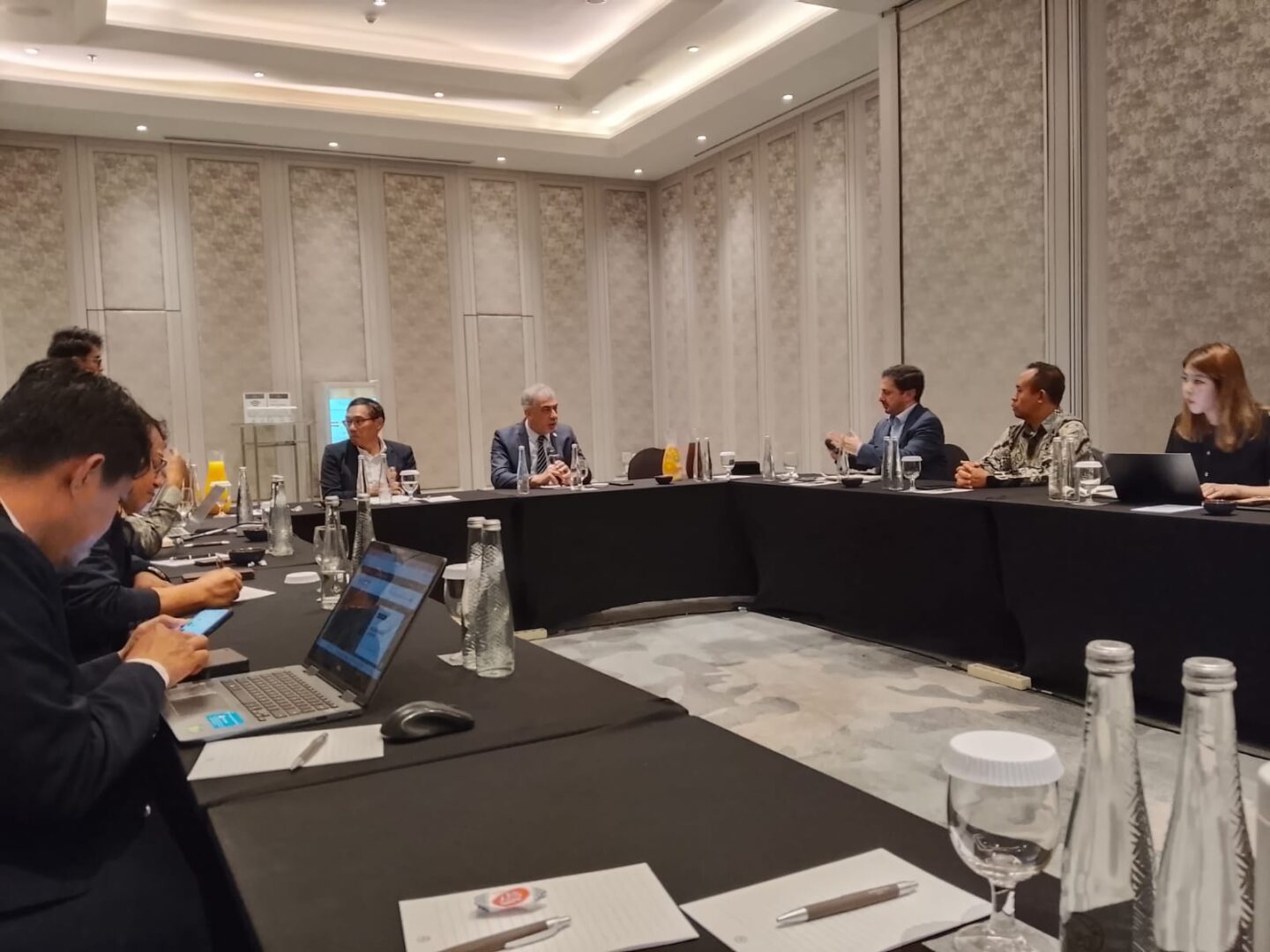
On Thursday (June 25), the Rector of Universitas Negeri Malang (UM), Prof. Dr. Hariyono, M.Pd., accompanied by the Vice Rector II, Prof. Adi Atmoko; the Vice Recrot IV, Prof. Dr. Ahmad Munjin Nasih, S.Pd, M.Ag, the Director of the Office of International Affairs (OIA), Dr. Sari Karmina; the Vice Dean of the Faculty of Social Sciences (FIS), Dr. Abdul Kodir; the OIA Development Team, Jevri Tri Ardiansah, S.Pd., M.Eng., Ph.D.; and OIA staff members, Nida Anisatus Sholihah, S.Pd., M.M., and Ricky Ardianto, S.E., held a strategic meeting with the leadership of Khalifa University (KU), represented by Dr. Bayan Sharif, Dr. Ashraf Al-Najdawi, Prof. Hadi Susanto, and Dr. Astrid Xu, to explore opportunities for academic collaboration and research activities.
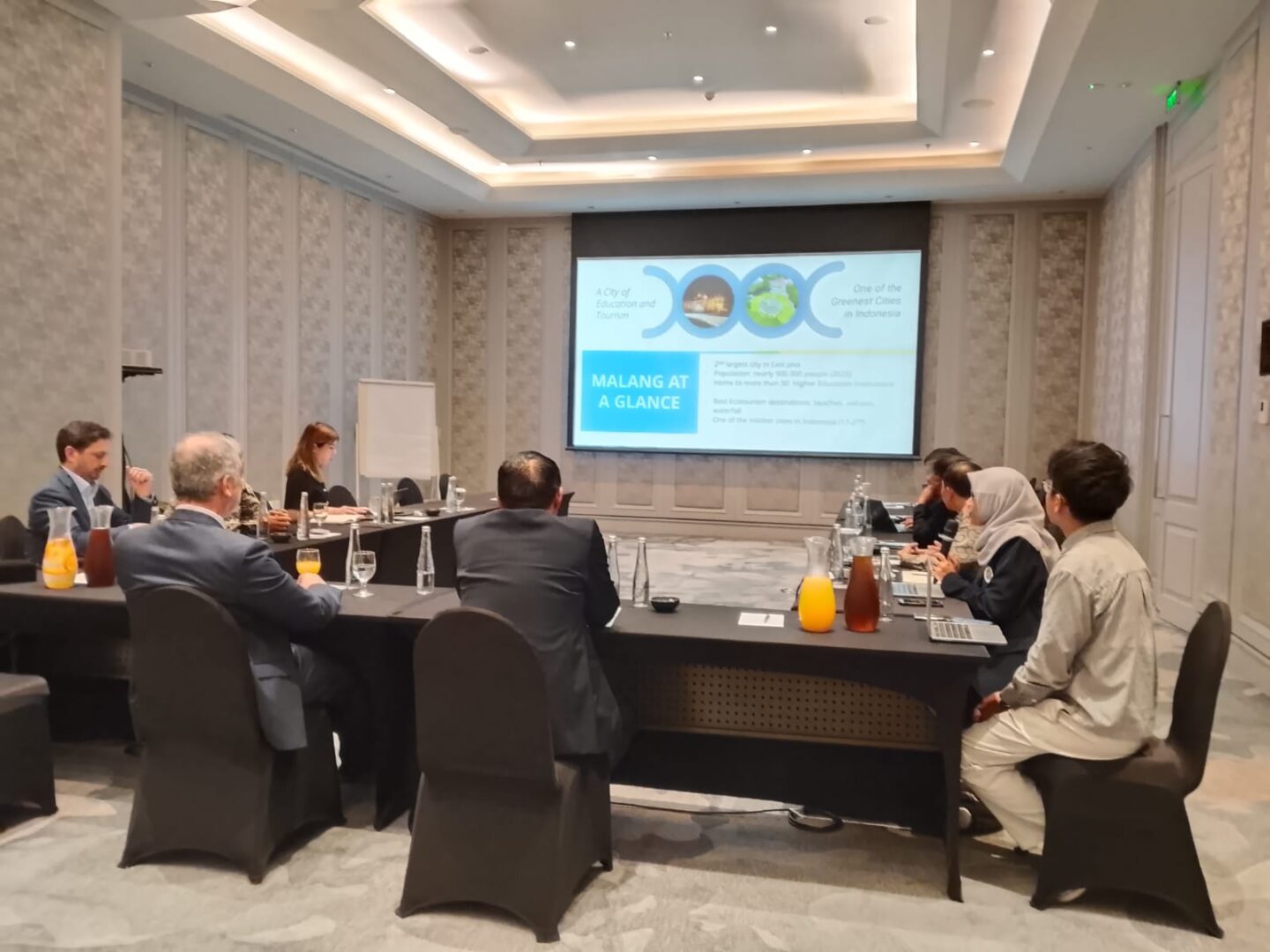
The meeting aimed to initiate and strengthen cooperation between Universitas Negeri Malang and Khalifa University in the field of higher education and research activities. The program began with an opening session, followed by the screening of UM’s institutional profile video, welcoming remarks from the Rector of UM and Dr. Bayan Sharif of Khalifa University, presentations by the Director of the Office of International Affairs and Dr. Ashraf Al-Najdawi, a discussion and question-and-answer session, collaboration planning, and closing remarks.
During her presentation, Dr. Sari Karmina highlighted UM’s academic strengths and introduced various opportunities for future collaboration, including scholarship programs, joint research initiatives, and other academic partnerships. Khalifa University also introduced the Khalifa University Enterprise Company (KUEC), an integrated commercialization platform designed to transform the university’s research excellence into scalable ventures and strategic industry partnerships. The platform consists of four integrated pillars. The first pillar, Commercialization Services, supports the utilization of university research by industry through intellectual property licensing and patenting, consulting and advisory services, Technology Readiness Level (TRL) bridge programs, and Research-as-a-Service. The second pillar, Investment and Funding, focuses on ensuring financial sustainability and business growth through seed and growth fund support, licensing and royalty revenues, co-investment opportunities, endowment and fund management, and portfolio oversight and monitoring. The third pillar, Startup Incubation and Technology Park, facilitates the transformation of research innovations from laboratory to market through venture studios and idea labs, incubation and acceleration programs, makerspace and rapid prototyping facilities, soft-landing and incentive programs, as well as community-building and ecosystem development initiatives. The fourth pillar, Center of Excellence (Shared Services), provides operational support for startups and university spin-off companies through human resources and employment services, finance, accounting and procurement, information technology, legal and compliance services, marketing, branding and communications, as well as facility and infrastructure management.
The collaboration between Universitas Negeri Malang and Khalifa University is expected to generate significant social and governance impacts by strengthening international higher education networks. The partnership expands opportunities for lecturers, researchers, and students to participate in collaborative research, academic exchange programs, innovation development, and capacity-building initiatives. Furthermore, leveraging Khalifa University’s research commercialization ecosystem has the potential to accelerate the commercialization of UM’s research outcomes, enabling innovations that create tangible benefits for society and industry.
From a governance perspective, this partnership reinforces UM’s internationalization strategy by fostering sustainable institutional collaboration, promoting more integrated research governance, and strengthening relationships with global partners. These efforts enhance the university’s capacity to deliver internationally competitive education, research, and innovation.
This initiative directly contributes to Sustainable Development Goal (SDG) 4: Quality Education by improving the quality of higher education, strengthening the competencies of academic staff and students, expanding access to international learning and research opportunities, and enhancing academic innovation. It also supports SDG 17: Partnerships for the Goals by strengthening international collaboration between higher education institutions, promoting knowledge and technology transfer, and establishing sustainable strategic partnerships that contribute to global development. “I hope that the collaboration we are establishing will bring positive impacts to both Universitas Negeri Malang and Khalifa University by enhancing the quality of education, fostering innovation, and expanding the capacity and excellence of the academic communities of both institutions,” said the Rector of UM.
Written by: Nida – Office of International Affairs (OIA), Universitas Negeri Malang.
 English (UK)
  Bahasa Indonesia